 Download the full LGR5 story
  Register to stay informed
Challenging Carcinomas:
The Battle Against Epithelial Cancers
Epithelial Cancers Are Common and Have a Poor Prognosis Despite an Established Target, EGFR7,8
Head and Neck, Colon, and Lung Cancers Are Examples of Epithelial Cancers With Poor Outcomes7,9–12
Epithelial cancers, also known as carcinomas, arise from cells that line the surfaces and organs of the body and include head and neck cancer (H&N), colorectal cancer (CRC), and non-small cell lung cancer (NSCLC).9,13,14 These cancers are common and collectively account for approximately 450,000 new cases and 200,000 deaths annually in the United States (2026 estimate).7





H&N, CRC, and NSCLC share risk factors (eg, smoking, alcohol) and have high rates of recurrence, treatment resistance, and metastasis.10–12,15–18
Plasticity Is an Emerging Hallmark That Helps Orchestrate Cancer Pathogenesis19
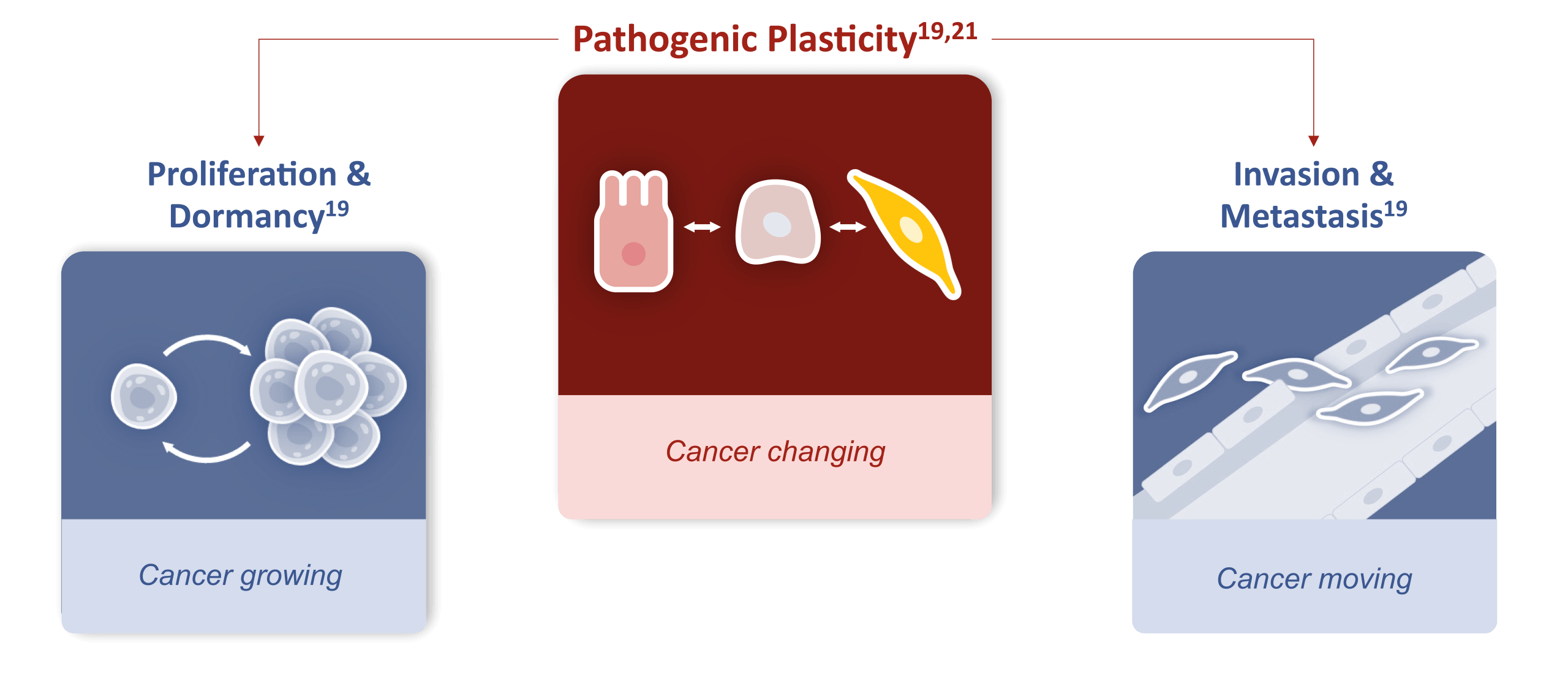
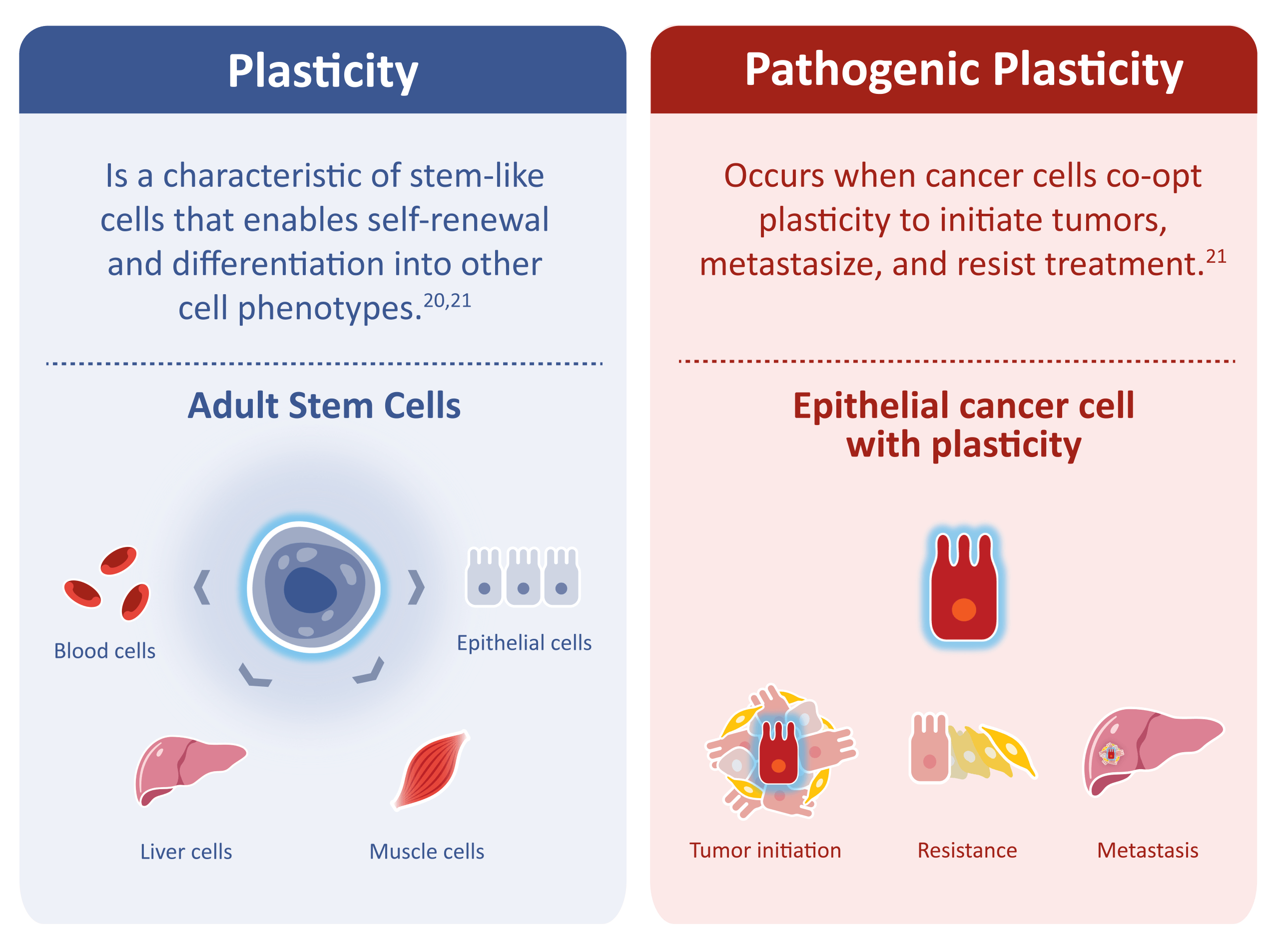
Plasticity has recently emerged as a critical hallmark of epithelial cancers and plays a central role in disease pathogenesis.19 In a healthy setting, plasticity is a characteristic of stem-like cells that enables self-renewal and differentiation into multiple cell phenotypes.20,21 This capability is found in adult stem cells, and is used to support tissue homeostasis and injury repair.21–24 It is now known that epithelial cancers can acquire plasticity and use the regenerative capabilities of stem-like cells to drive tumor initiation, metastasis, and treatment resistance (pathogenic plasticity).19,21,24
Treatment Resistance to EGFR-targeted Therapy Is an Example of Pathogenic Plasticity25–27
EGFR is a well-known target in epithelial cancers and is implicated in tumor proliferation metastasis and survival. Overexpression of EGFR frequently occurs in H&N, CRC, and NSCLC, and EGFR-targeted therapies are available that can block receptor signaling.8,31,32
However, after an initial response to treatment, it is common for epithelial cancers to develop resistance.8,31,32 Epithelial-mesenchymal transition (EMT) is an example of pathogenic plasticity that occurs in epithelial cancers19,21,33,34 and an established resistance mechanism to EGFR-targeted therapy.25–27,a
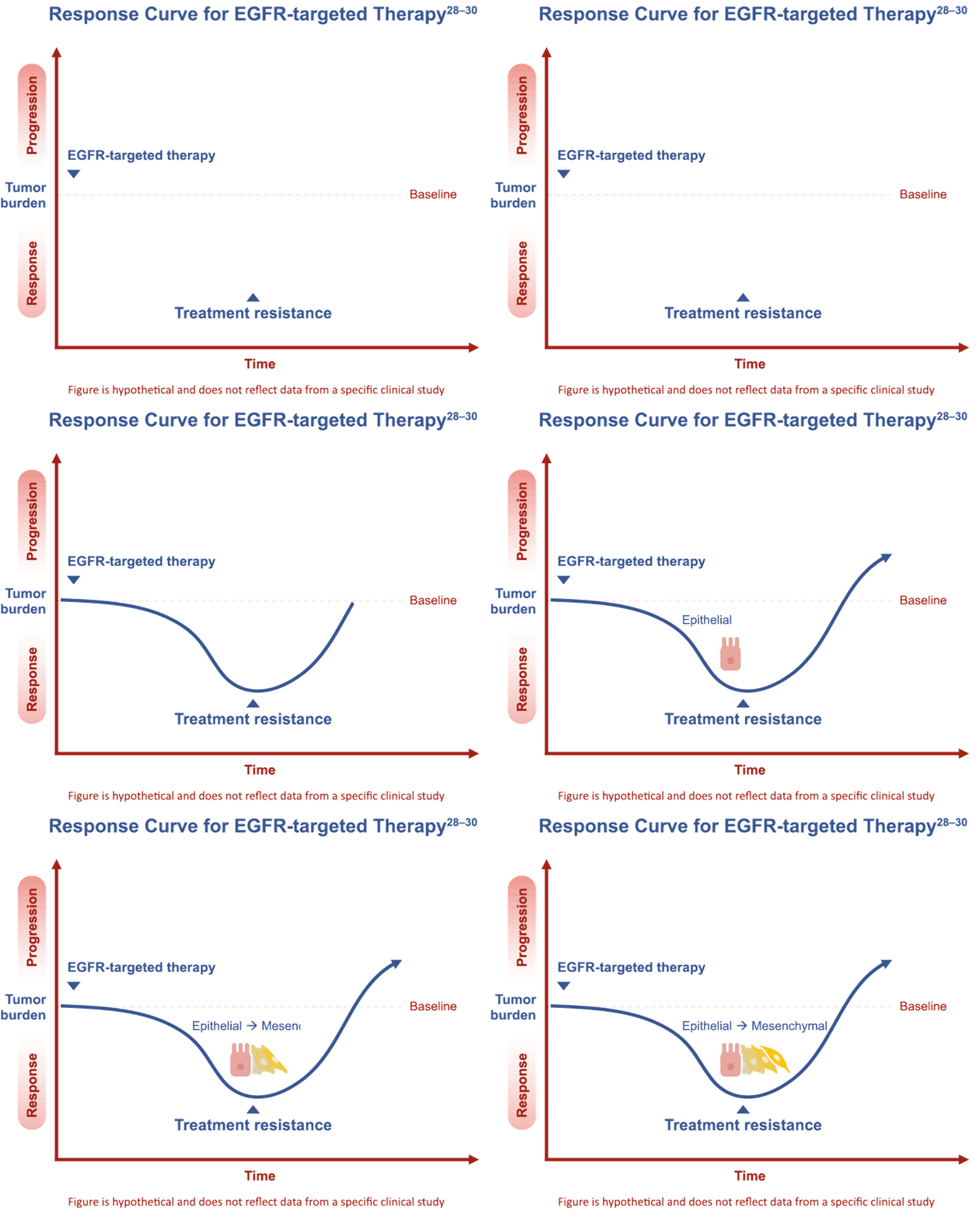
EMT is the process by which epithelial cells lose their stationary characteristics, such as cell-to-cell adhesion, and acquire mesenchymal traits that facilitate motility and invasion.33,35 Mesenchymal-epithelial transition (MET) is the complementary process and involves the restoration of epithelial characteristics.35
aOther resistance mechanisms include EGFR mutations (interference with treatment-binding site) and downstream mutations (activation of signaling pathways that bypass EGFR).25–27
Explore a full presentation about LGR5
A Sinister Hand:
Pathogenic Plasticity
When Cancer Cells Acquire Pathogenic Plasticity, It Leads to Poor Patient Outcomes4,19,24,36
Plasticity Is a Normal Part of Tissue Homeostasis, but It Can Be Exploited by Cancer19,21,24
Plasticity is typically reserved for a small subset of cells throughout the body called adult stem cells. These cells support normal homeostasis and injury repair through cell replenishment.21–24 Unfortunately, cancer cells can hijack plasticity and exploit the regenerative capabilities of adult stem cells to initiate tumors, resist treatment, and drive metastasis (pathogenic plasticity).19,21,24,33,34
In a Healthy Setting, Adult Stem Cells in Epithelial Tissue Express a Protein Called LGR53
In epithelial tissue, adult stem cells express a protein called LGR5 (leucine-rich repeat–containing G protein–coupled receptor 5).3,24,37–39 LGR5 is a receptor for R-spondins (RSPO), which are growth factors involved in tissue homeostasis that activate the Wnt/β-catenin signaling pathway.39–41 LGR5-positive cells support tissue regeneration, and in the intestine, help replenish epithelial cells lost to shedding.3,39,42,43
LGR5 Is Currently Not An Actionable Biomarker3,37
LGR5 protein detection is possible for preclinical purposes (eg, western blot, live cell imaging),38 but a suitable, well-validated antibody for human sample testing is not currently available.3,37
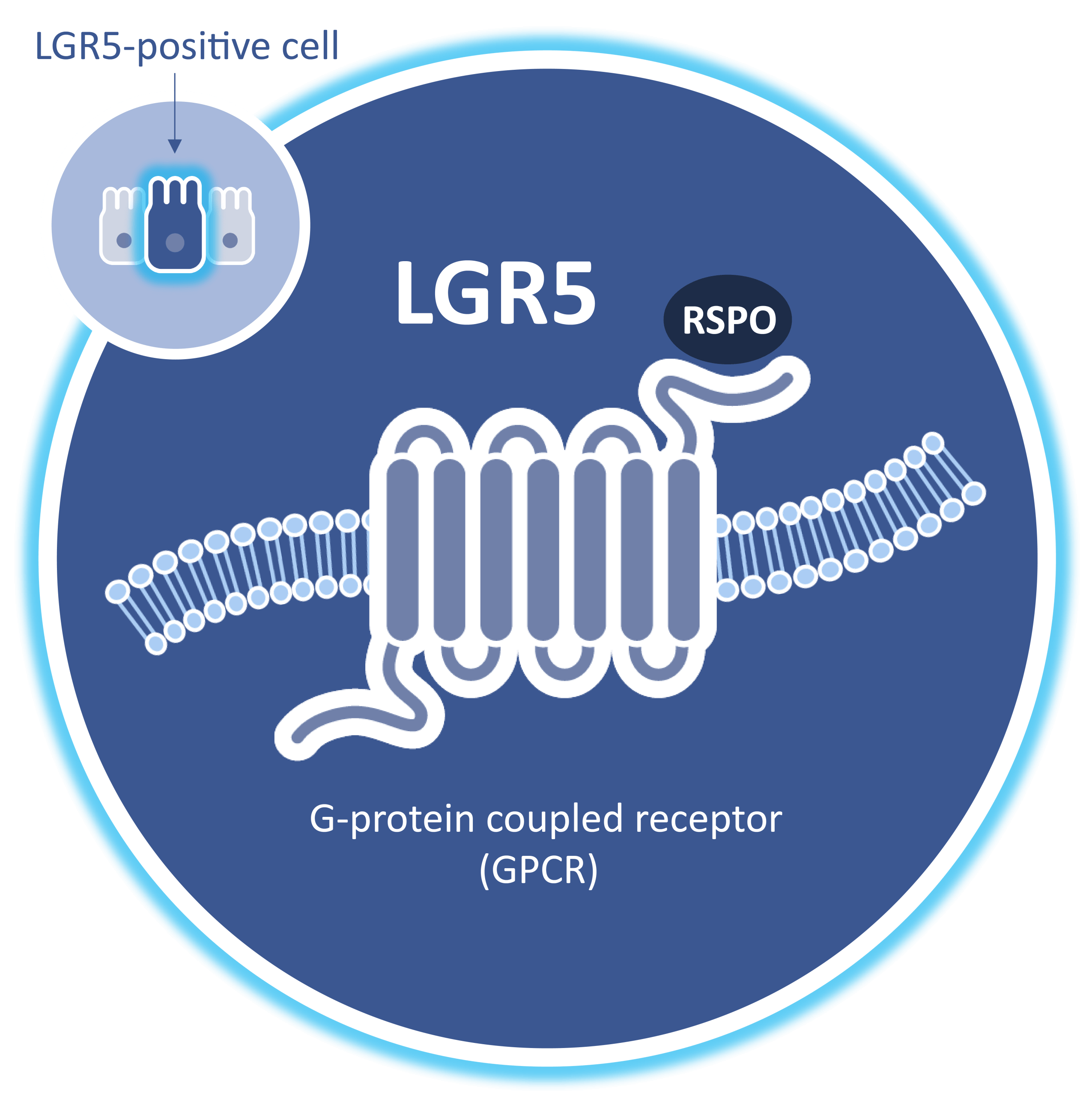
In a Pathogenic Setting, Cancer Cells Can Unlock LGR5 Expression, Which Enables Tumor Initiation3,5
Colorectal Tumorigenesis
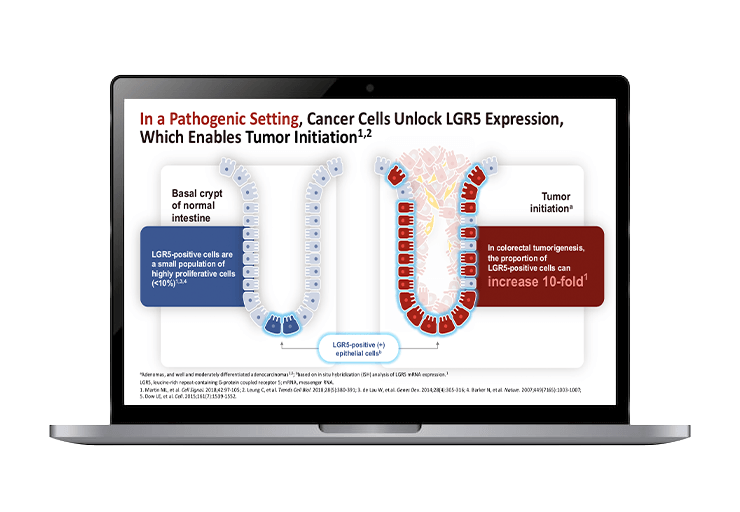
Under normal conditions, LGR5-positive cells are a small population in epithelial tissue (<10% of basal crypt cells in intestinal epithelium).5,39,43 However, in the initial stages of colorectal tumorigenesis, the percentage of LGR5-positive cells has been shown to increase 10-fold (~70%),5 enabling tumor cell proliferation and differentiation.3,5,37,44,45 LGR5 is a Wnt-target gene and oncogenic mutations in the Wnt/β-catenin pathway can lead to increased expression of LGR5.37
aAdenomas and well/moderately differentiated adenocarcinomas.5,44
bBased on in situ hybridization (ISH) analysis of LGR5 mRNA expression.5
Overexpression of LGR5 Occurs Across Carcinomas and Has Been Associated With Poor Outcomes3,4,6,36,46,47

In colorectal cancer (CRC), LGR5 overexpression was associated with a ~30% reduction in disease-free survival (DFS; 1 year), a 3-fold increase in liver metastasis, and a 3-fold increase in disease recurrence (5 years)36,46,a

In head and neck cancer (H&N), LGR5 overexpression was associated with worse disease-specific survival (compared to low LGR5 expression) and markers of EMT4,a,b

In lung cancer (NSCLC), LGR5 was overexpressed in tumor tissue compared with healthy adjacent tissue6,a
bEMT is a mechanism of EGFR-treatment resistance.25–27
 Download the full LGR5 monograph
Dive into the science
The Wild Card:
LGR5, The Moving Target
Changes in LGR5 Expression Can Allow Cancer Cells to Resist Treatment and Metastasize48–52
Expression of LGR5 is dynamic and can change in response to cancer therapy.48,51,53,54 Preclinical data have shown that LGR5 expression decreases in response to chemotherapy and radiation.48,55 Conversely, LGR5 expression has been shown to increase in response to EGFR-targeted therapy.53,54,56
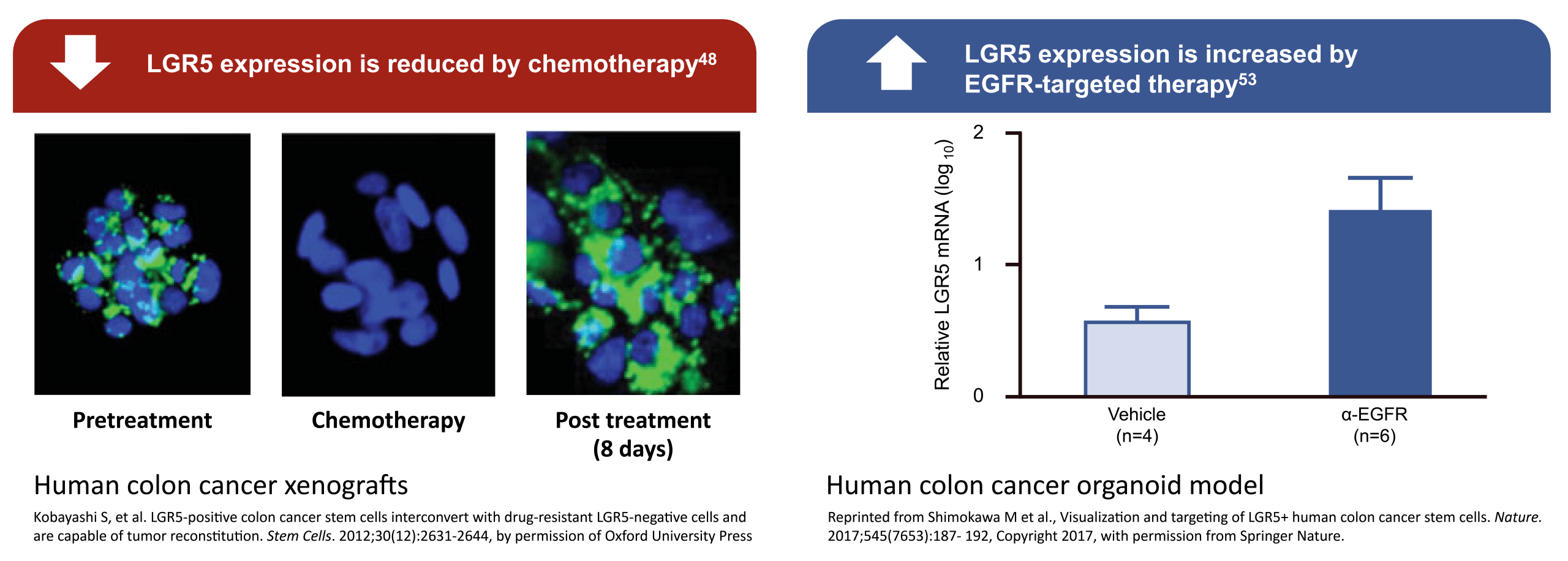
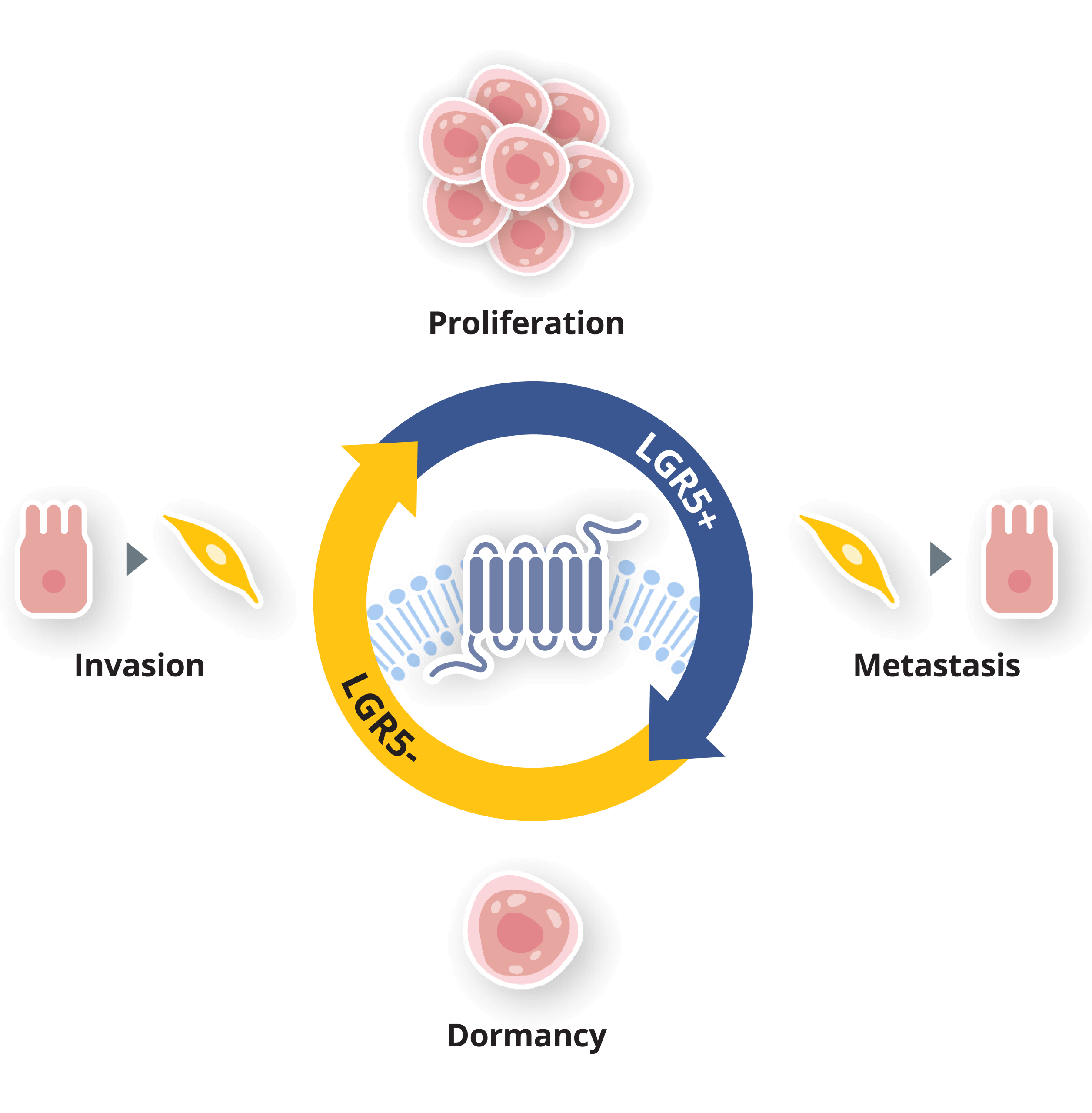
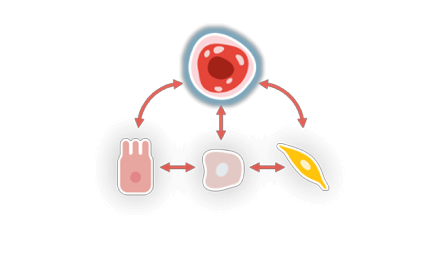
Changes in LGR5 expression are reversible. Cancer cells can transition between LGR5-positive and LGR5-negative states to change phenotype and behavior.24,38,49,50,52,57,58 Preclinical studies have shown that silencing of LGR5 expression in response to chemotherapy and radiation is temporary. LGR5 expression can return in surviving cells and proliferative behavior can resume.48,55
LGR5 Is a Dynamic Protein That Is Constantly on the Move1,2
LGR5 protein is continuously recycled at the cell surface, with receptors constantly being added and removed regardless of ligand binding.1,2 This dynamic allows cancer cells to adapt to changes in the tumor microenvironment.1,2,57,59 LGR5 expression may be active during periods of tumor initiation,45 but become silenced in response to stress (eg, chemotherapy, radiation).48,55,59
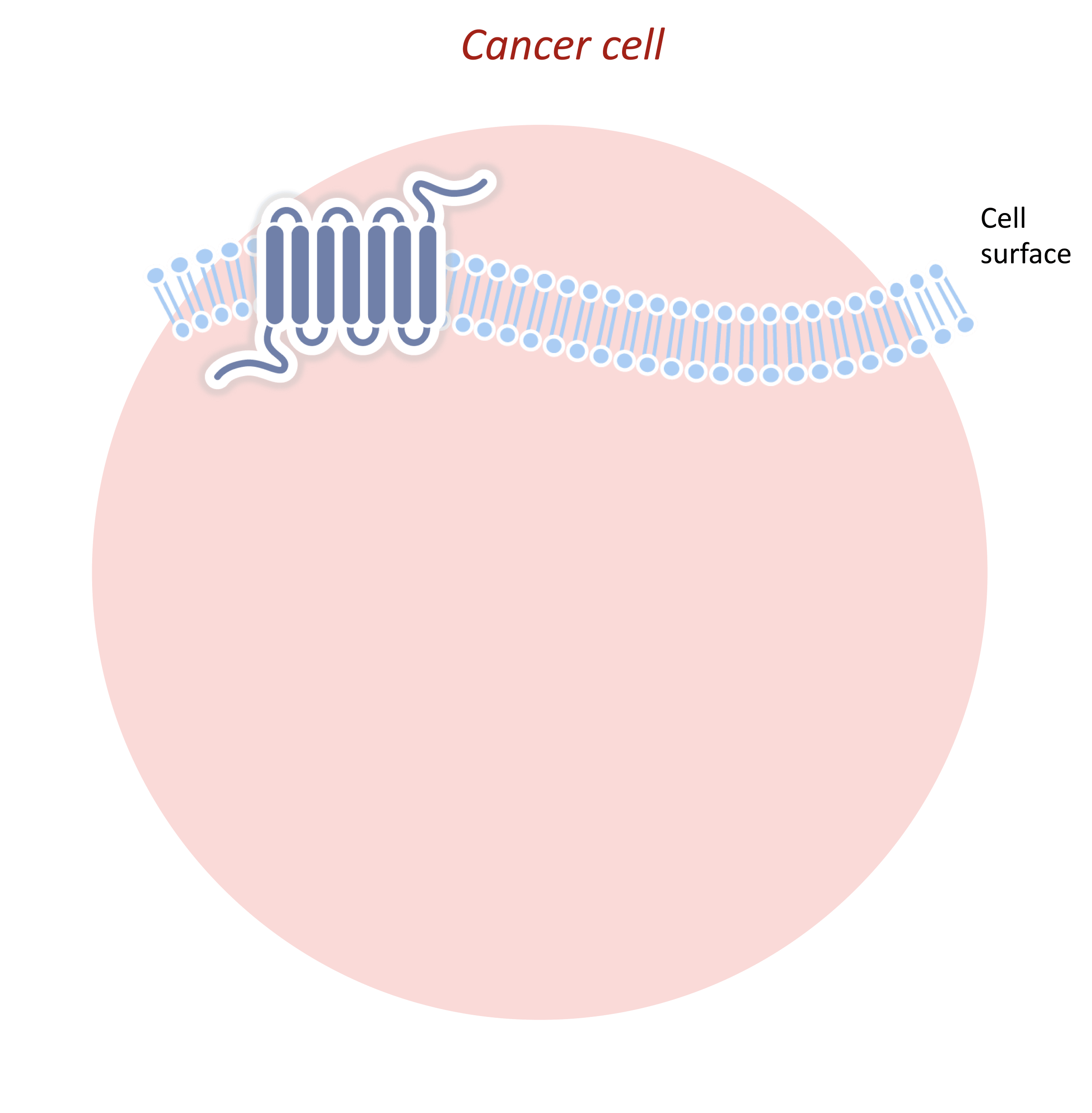
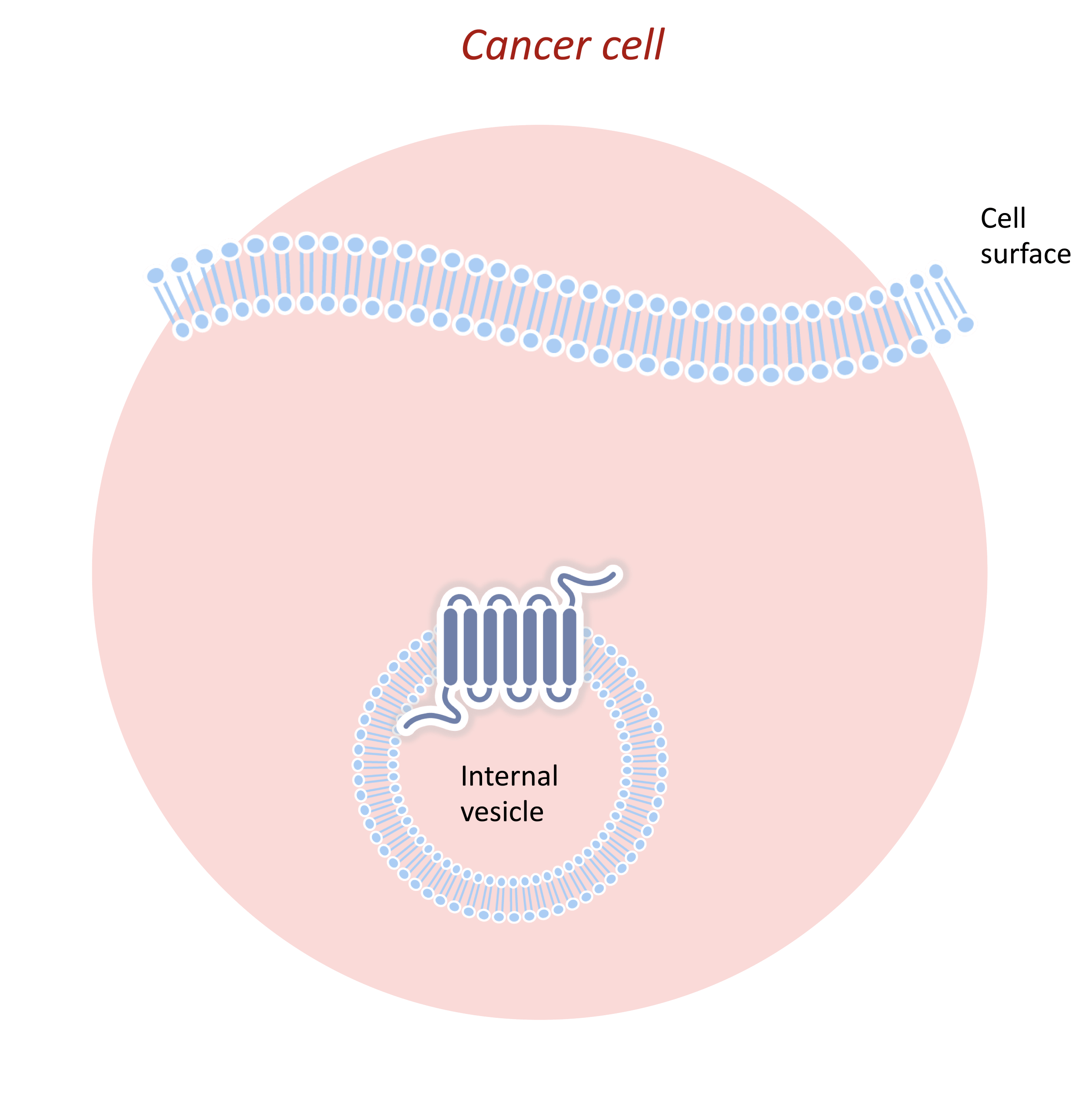
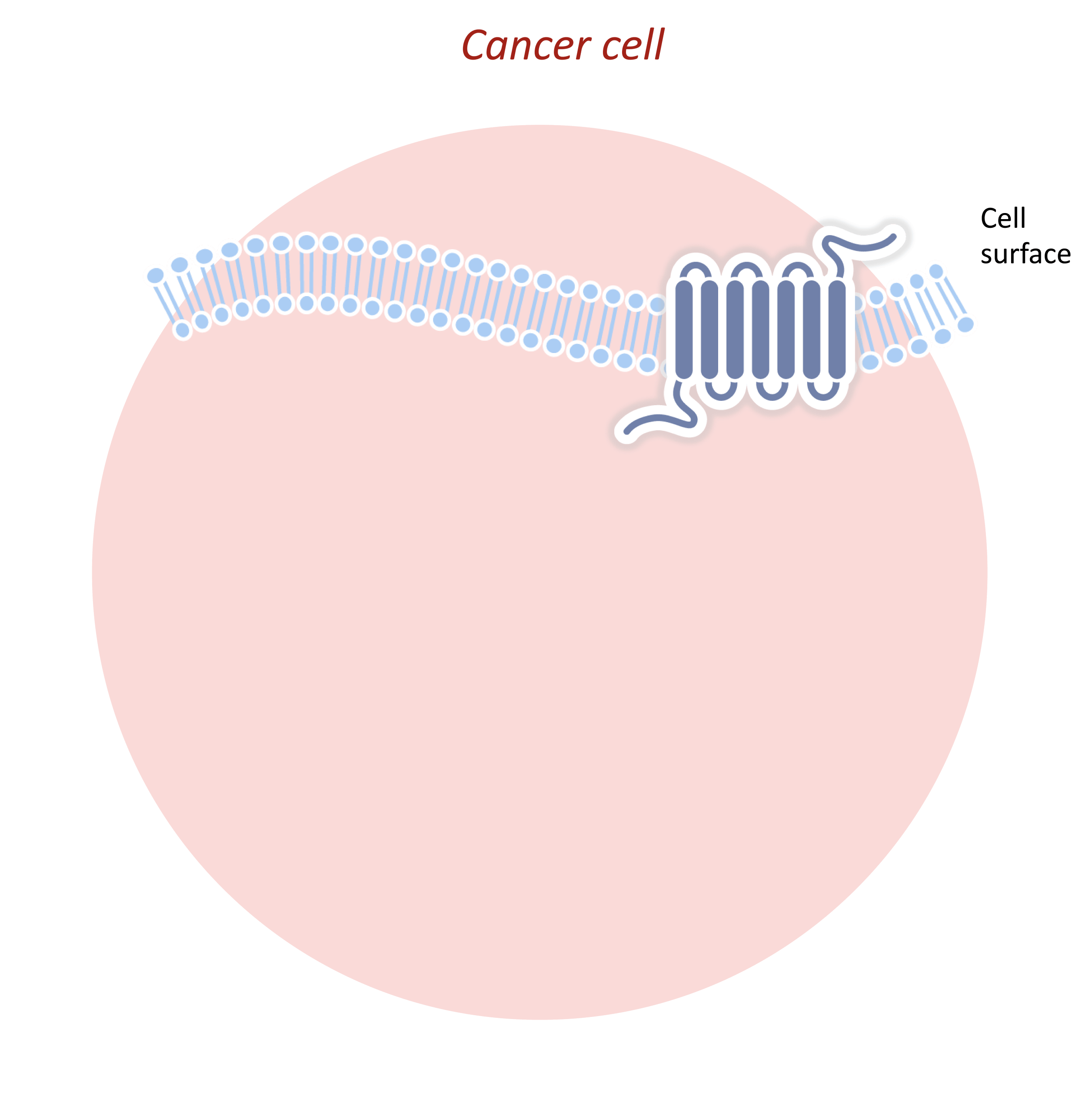
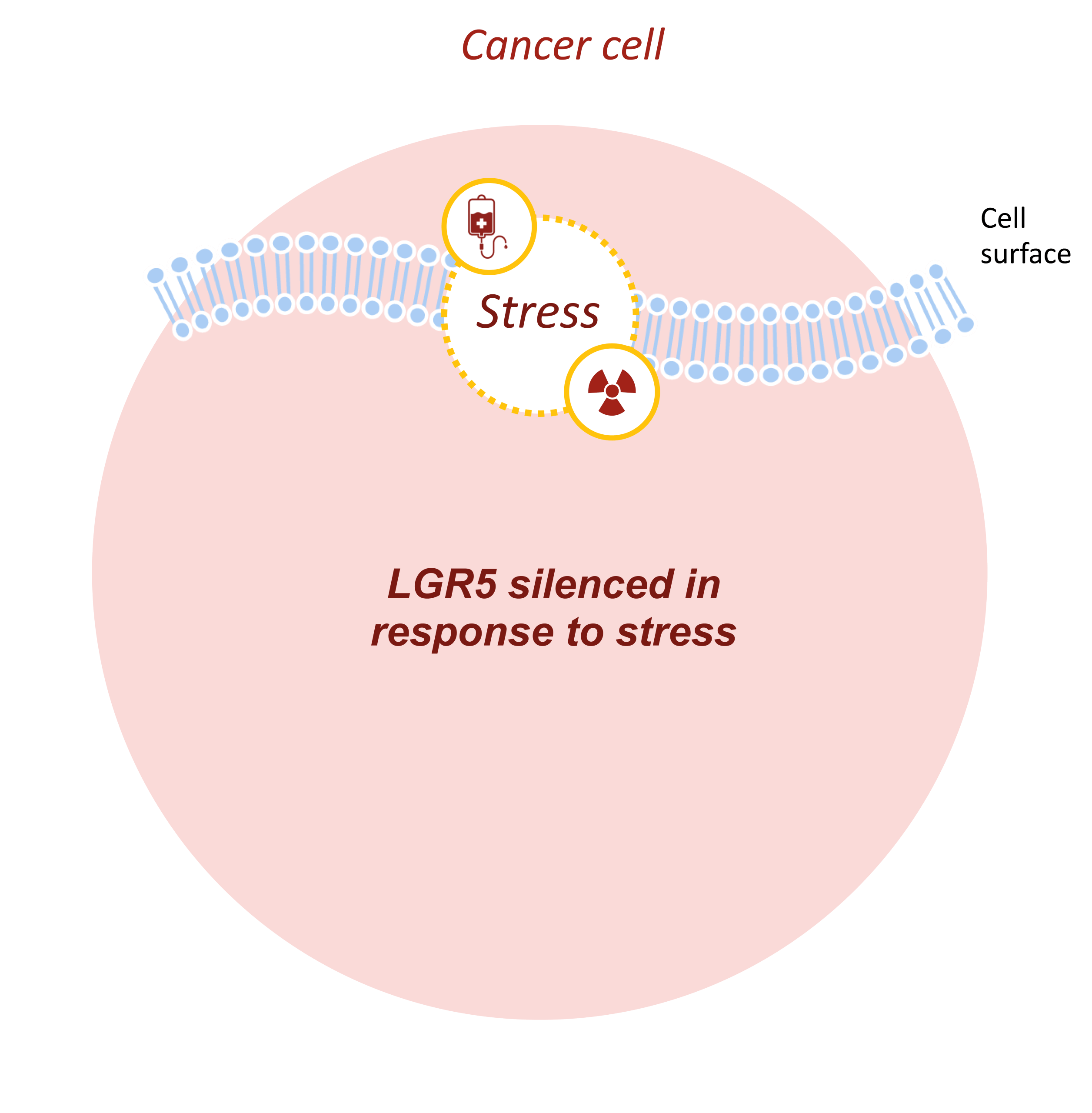
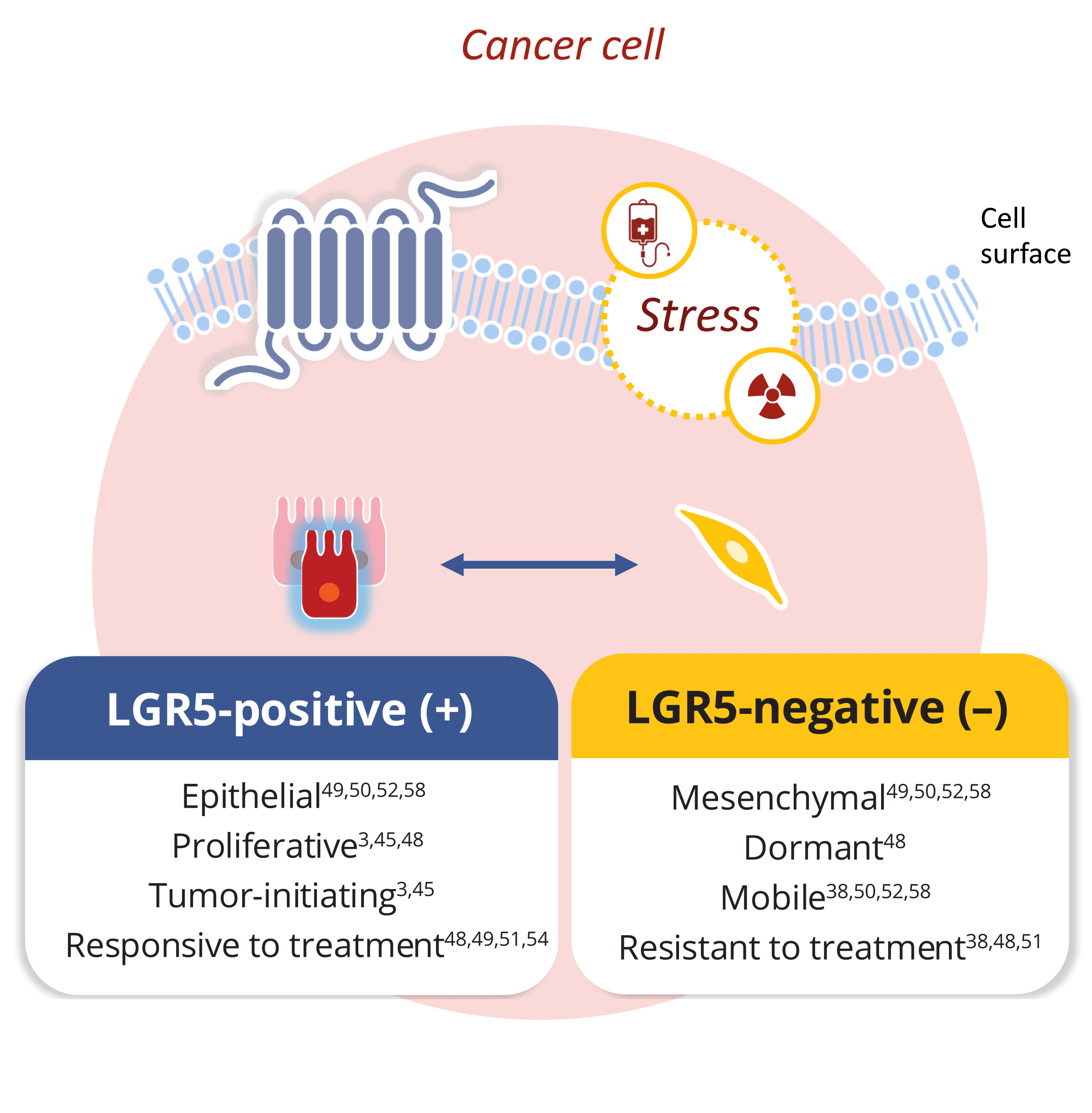
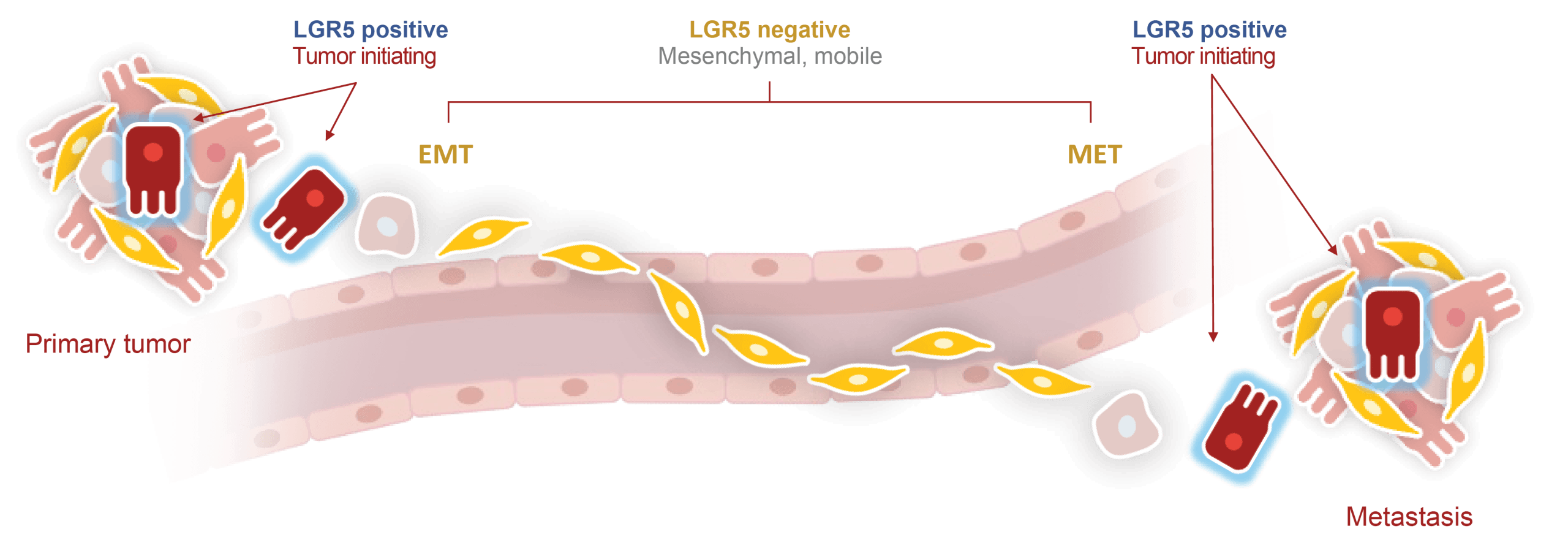
Additionally, LGR5 expression is silenced when epithelial cancer cells transition to a mesenchymal state, shedding stationary characteristics and becoming mobile.49,50,52,58 LGR5 expression returns once these mobile, mesenchymal cells find a new environment and transition back into tumor-initiating epithelial cells.38,50
Is There a Connection Between LGR5 and Resistance to EGFR-targeted Therapy?54
LGR5 expression is silenced during EMT,49,50,52,58 which is a resistance mechanism to EGFR-targeted therapy.25–27
LGR5 Can Regulate Cancer Progression and Resistance3,38,48,59
LGR5 expression is dynamic, and cancer cells can turn it on and off.38,49,50 When LGR5 expression is “on”, cancer cells are able to proliferate and initiate tumors.3,45,48 When LGR5 expression is “off”, cancer cells stop proliferating and can travel away from the primary tumor.38,48,50,52,58 This dynamic of LGR5 silencing and reactivation regulates pathogenic plasticity and enables treatment resistance and disease progression.38,48–52
LGR5 Is a Moving Target1,2,57,59
Because LGR5 is a dynamic protein with variable expression, developing an effective therapeutic strategy for it may require the integration of other targets or pathways.38,47,53,60,61

Get the key takeaways
Resources
Explore the full LGR5 story
Download the full LGR5 story that explains the relationship and connection among epithelial cancers (carcinomas), pathogenic plasticity, and LGR5.
Explore a full presentation about LGR5
Dive into LGR5 science with the monograph
For a deeper scientific understanding, download the complete monograph.
Download our full LGR5 monograph
Get the key takeaways
Download a high-level LGR5 summary and/or key takeaways from each section.
Download LGR5 flashcards
Stay updated on the latest research
Researchers continue to study epithelial cancers, as well as new treatment targets. Be part of the community and stay informed.
Sign up for updates about LGR5 research and developments